Wondering if buying in Canyons Village means you are choosing a simple ski condo, a flexible rental property, or a full resort lifestyle? The answer is usually all about the specific building, parcel, and ownership structure. If you are considering this Park City micro-market, it helps to understand how property types, HOA layers, ski access, and rental rules can vary from one address to the next. Let’s dive in.
Why Canyons Village Requires Extra Diligence
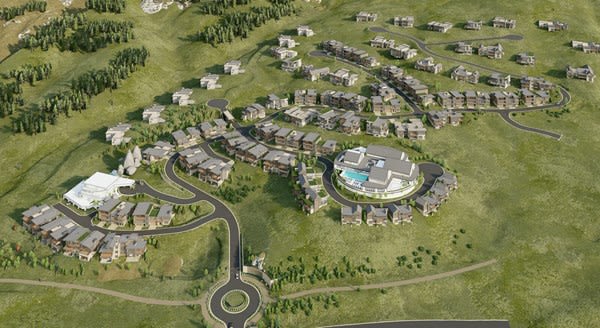
Canyons Village is one of Park City Mountain’s two base areas, alongside Mountain Village. The resort describes Canyons Village as a guest-centric village with direct access to the Orange Bubble Express, which helps explain its appeal for second-home buyers and resort-property shoppers.
Still, Canyons Village does not function like a typical neighborhood with one housing style and one set of rules. It is better understood as a resort micro-market, where your ownership experience can change significantly depending on the building, the phase, and even the parcel.
That distinction matters because two properties that look similar online may offer very different day-to-day use, rental flexibility, fee structures, and ski access. If you are buying here, you want to evaluate each opportunity on its own terms.
Property Types Vary Widely
One of the first things to know before buying at Canyons Village is that inventory spans several ownership styles. You will find hotel-condos, resort suites, larger residential condos, and townhome-style residences, often within the same broader village area.
Examples in the market reflect that range. Grand Summit includes guest suites, Hyatt Centric offers hotel rooms as well as one- to five-bedroom residences and a five-bedroom townhome residence, Lift includes 61 residences in one- to five-bedroom layouts, Apex features two- and three-bedroom residences, and Vintage on the Strand offers townhomes within walking distance to the Red Pine Gondola.
Some properties lean toward a classic condo-hotel format. Buildings like Westgate, Sundial, and Grand Summit advertise suite-style inventory paired with amenities such as pools, spas, dining, concierge services, or shuttle access, which may appeal if you want a more turnkey ownership experience.
Others feel more residential in nature. That can be attractive if you prefer more space, a quieter ownership style, or a setup that supports longer stays and more private use.
What This Means for Buyers
Before you focus on finishes or views, make sure you understand the ownership model. A hotel-room-style suite, a fully residential condo, and a townhome may all sit near the lifts, but they can function very differently from a cost, use, and rental standpoint.
A good comparison should include:
- Unit type and layout
- Building operations style
- Available owner services
- Rental setup and restrictions
- Parking arrangement
- Building and village assessments
HOA Layers Matter in Canyons Village
Fees in Canyons Village are often more complex than buyers expect. In many cases, you are not only evaluating a unit-level HOA, but also village-wide assessments tied to the broader master-planned area.
The Canyons Village Management Association, or CVMA, says the village is a Specially Planned Area designated by Summit County. CVMA also states that its assessments help fund transportation, marketing, events, road maintenance, landscaping, and other village-wide services.
That means your ownership costs may include more than standard building dues. Depending on the property, you may need to account for annual member assessments, transfer-related fees, and other charges that sit above the building HOA level.
Master Association vs. Building HOA
This is one of the easiest places for buyers to get caught off guard. Building HOA dues and master-association assessments are not the same thing, and they may cover different services.
At the building level, dues may relate to shared interior and exterior maintenance, amenities, staffing, reserves, and operational costs. At the village level, CVMA assessments may support broader services such as transportation initiatives and year-round village programming.
If the property participates in transient rental activity, there may also be additional assessment considerations. That is why a full fee review is essential before you make assumptions about carrying costs.
Ski Access Is Not the Same Everywhere
Many buyers start with one goal: easy skiing. In Canyons Village, that is a smart priority, but ski access is not uniform from one property to another.
Park City Mountain says Canyons Village offers direct access to the Orange Bubble Express. The Sunrise Gondola project was also designed to connect the base village to the Red Pine area, with the base terminal next to Pendry and Lift.
Even so, the practical experience can differ a lot by building. One property may offer true ski-in/ski-out access, while another may involve a short walk, a ski bridge, a return trail, or a shuttle connection.
Why Access Differences Affect Value
For many second-home buyers, ski access shapes both convenience and long-term appeal. For buyers interested in occasional rentals, access can also influence how a property is received by guests looking for a simple resort stay.
That does not mean every buyer needs the same setup. You may prefer direct lift access, or you may be perfectly happy with a short walk if the residence offers more space, better privacy, or a stronger amenity package.
The key is to ask how ski access works in real life, not just how it is described in marketing. A few extra minutes or a less direct route can materially change your daily experience.
Amenities Depend on the Building
Canyons Village is known for resort-style amenities, but the package varies widely by property. This is another reason buyers should compare buildings, not just unit interiors.
Lift markets a ski concierge room with lockers and boot heaters, a heated pool deck with hot tubs and grills, a club room, kids’ zone, teen room, and fitness center. Hyatt Centric lists a pool, fitness center, restaurant, EV charging, and a rental program.
Grand Summit offers spa access plus a heated pool and hot tubs. Sundial highlights a rooftop hot tub, outdoor heated pool, and exercise room, while Westgate advertises a spa and seasonal shuttle service.
Focus on the Amenities You Will Actually Use
A long amenity list does not always equal the best fit. If you visit primarily for ski weekends, ski storage, convenient lift access, and parking may matter more to you than multiple dining venues.
If you expect extended family use, larger gathering spaces, pools, or flexible bedroom layouts may carry more value. The right choice usually comes down to how you plan to use the property, not which building has the longest feature sheet.
Rental Rules Are Layered
If rental income is part of your buying strategy, Canyons Village requires careful review. Short-term rental rules can be shaped by city or county jurisdiction, zoning, HOA rules, building operations, and CVMA assessments.
Park City defines a nightly rental as a stay of less than 30 days and requires a nightly rental license where zoning allows it. Summit County says nightly rental licenses are required of both the owner and the manager for short-term rentals.
Jurisdiction matters because Canyons Village addresses may fall under different rule sets depending on the parcel. Summit County says properties in the Snyderville Basin are regulated by the Snyderville Basin Development Code, while Park City applies its own nightly rental licensing rules where applicable.
CVMA Adds Another Rental Layer
CVMA says transient rentals under 28 consecutive days are subject to its transient occupancy assessment, or TOA. Its FY26 assessment summary shows the TOA at 2.5 percent of transient rental revenue.
CVMA also states that these transient-rental owners must have a Summit County business license. For buyers, this means rental math should include more than projected nightly rates and occupancy assumptions.
Not Every Building Operates the Same Way
Some Canyons Village properties are designed with rental operations in mind. Hyatt Centric advertises a rental program, while Lift says its residences are individually owned and managed by multiple property managers.
Park City Mountain also offers property management services for some Canyons Village units. That patchwork means two neighboring buildings may have very different owner-use rules, management options, and operating costs.
If your goal is part personal retreat and part income property, you will want to confirm exactly what the building allows and how rentals are handled in practice. That review should happen early, not after you are already emotionally committed to a unit.
Parking and Transportation Deserve Attention
Parking is easy to overlook in a resort purchase, but it can meaningfully affect your ownership experience. Park City Mountain says it offers free public transportation around the resort, and its winter parking plan includes limited free day-skier parking plus paid garage options.
For owners, the more important question is what comes with the unit itself. You should verify whether parking is deeded, assigned, limited, or shared, along with any winter-use rules that may affect convenience.
If you plan to leave a vehicle onsite regularly, this becomes even more important. A beautiful residence can feel less effortless if parking logistics are unclear.
A Smart Diligence Checklist
Because Canyons Village is such a building-by-building market, your review process should be detailed. A strong diligence plan can help you avoid surprises and compare options more clearly.
Start with these questions:
- Is the parcel inside Park City limits or unincorporated Summit County?
- Is nightly rental allowed by zoning?
- Does the HOA allow short-term rental activity?
- Is the property subject to CVMA assessments, TOA, or transfer fees?
- Is parking deeded, assigned, shared, or limited?
- How does ski access work day to day?
- Is there an in-house rental program or a required outside manager?
- What do reserves and planned capital projects look like?
This kind of diligence helps you move past the surface appeal of a resort property and understand how ownership will actually function. In a market like Canyons Village, that clarity is valuable.
Final Thoughts on Buying in Canyons Village
Buying at Canyons Village can offer compelling access to the Park City resort lifestyle, but it is rarely a one-size-fits-all decision. The best purchase for you depends on how you weigh ski access, amenities, fees, personal use, and rental goals.
The biggest takeaway is simple: do not evaluate Canyons Village as one uniform market. Evaluate it building by building, with careful attention to jurisdiction, ownership structure, and real operating costs.
If you want experienced guidance on resort residences, ski property nuances, and Park City micro-markets, connect with Stein Eriksen Realty Group for tailored advice.
FAQs
What should you know before buying at Canyons Village in Park City?
- You should review the specific building, parcel jurisdiction, HOA structure, ski access, amenities, parking, and rental rules because ownership terms can vary widely across Canyons Village.
Are all Canyons Village properties ski-in/ski-out?
- No. Some properties offer direct ski access, while others may require a short walk, bridge, return trail, or shuttle connection.
Do Canyons Village condos have the same HOA fees?
- No. Costs can include both building HOA dues and separate village-level assessments through CVMA, depending on the property.
Can you use a Canyons Village property as a short-term rental?
- It depends on the parcel jurisdiction, zoning, HOA rules, building operations, and licensing requirements, so you should verify rental eligibility for the specific property.
Why does parcel jurisdiction matter in Canyons Village?
- It matters because one address may be subject to Park City rules while another may fall under unincorporated Summit County regulations, which can affect rental and ownership requirements.
What amenities can you expect in Canyons Village buildings?
- Amenities vary by building and may include pools, hot tubs, fitness centers, ski concierge services, restaurants, spa access, EV charging, lounges, or shuttle service.