If your day starts with a dog walk, a coffee run, or an easy bus ride across town, the neighborhood you choose can shape more than your address. In Park City, Park Meadows and Prospector are both in-town options, but they support daily life in very different ways. If you are trying to decide which one better matches how you actually live, this guide will help you compare the rhythm, convenience, and housing feel of each. Let’s dive in.
Park Meadows vs. Prospector at a Glance
If you want the shortest possible answer, Park Meadows tends to fit buyers who want a quieter residential setting with more single-family homes and a routine centered on neighborhood green space, golf, and everyday outdoor access. Prospector tends to fit buyers who want mixed-use convenience, stronger transit access, and a more lock-and-leave housing mix.
Both neighborhoods are firmly in town. Both also benefit from Park City’s broader pathway and trail systems, plus fare-free public transit. The real difference is how each area supports your routine once you step outside your front door.
Park Meadows: A More Residential Rhythm
Park Meadows is officially treated by the city as a local residential neighborhood. In a 2020 ordinance, Park City stated that Park Meadows should be maintained as a local residential neighborhood and that nightly rentals should be prohibited there.
That matters because local land-use rules often shape how a neighborhood feels day to day. In practical terms, Park Meadows tends to read as quieter, more residential, and more oriented toward full-time owners and longer-term residents.
What daily life feels like in Park Meadows
If your ideal routine includes calmer streets and a more neighborhood-first setting, Park Meadows may feel more natural. The area is less about mixed-use activity and more about living space, outdoor access, and residential continuity.
Park Meadows also has a strong everyday recreation identity. The Park City Golf Club is a major local feature, and in winter the municipal golf course supports Nordic skiing through White Pine Touring, giving the neighborhood a distinct four-season rhythm.
Outdoor access in Park Meadows
For many buyers, routine is not just about errands. It is about how easy it is to get outside before work, after dinner, or on a weekend morning.
The McLeod Creek Trailhead sits just off SR-224 on Meadows Drive and connects to the groomed McLeod Creek Trail. That gives Park Meadows convenient access for walking, running, casual biking, and winter Nordic use.
Prospector: A More Connected In-Town Pace
Prospector has a different setup from the start. Prospector Square sits in Park City’s GC district, where the municipal code allows uses such as nightly rental, retail and service, accessory apartments, and other mixed-use functions.
That flexibility creates a different neighborhood rhythm. Compared with Park Meadows, Prospector tends to feel more active, more mixed-use, and more closely tied to the practical convenience of in-town living.
What daily life feels like in Prospector
If you like being close to grab-and-go dining, coffee, and everyday errands, Prospector may line up better with your routine. That conclusion comes from the area’s mixed-use zoning pattern, which is more likely to support those daily convenience uses than a neighborhood preserved primarily for residential character.
This does not mean Prospector is hectic. It means your day may involve less separation between home, errands, and transit, which can be a real advantage if you value efficiency and flexibility.
Outdoor access in Prospector
Prospector also has strong recreation appeal, but the emphasis is a little different. The neighborhood connects well to the Rail Trail environment and nearby trail systems.
Park City notes that Prospector Park sits at the east end of the subdivision, New Prospector Park is at Sidewinder and Comstock, and a bike path runs alongside the park to the Rail Trail. Mountain Trails Foundation also says Lost Prospector starts on the paved Rail Trail adjacent to the neighborhood and is often one of the first low-elevation trails in the area to dry out.
Transit and Mobility: Which Is Easier Without a Car?
Both neighborhoods benefit from Park City Transit, which the city says is fare-free and operates nine bus routes plus citywide microtransit. Park City also encourages residents to shift away from peak winter traffic windows and use transit, carpooling, and other alternatives when possible.
So if part of your routine includes commuting, getting to appointments, or reducing winter driving stress, both neighborhoods offer options. Neither one is car-only.
Prospector has the edge for transit access
Current live transit pages show service tied directly to Prospector-area stops such as Prospector Plaza, Prospector Condos, The Prospector, Parkside Apartments, and Park City Plaza. Park Meadows also has service, including Park Meadows / Thaynes / Deer Valley inbound and a Meadows Dr. / Royal St. outbound stop.
The takeaway is straightforward: both areas connect to transit, but Prospector is the more transit-saturated of the two. If easy bus access is a major part of your weekly routine, that may tilt the decision.
Both neighborhoods work for walking and biking
Transit is only part of everyday mobility in Park City. The city says its pathway system includes more than 40 miles of non-motorized multi-use routes designed for commuters as well as recreation users.
That means both Park Meadows and Prospector support routines that include walking, biking, and bus-based movement better than many mountain towns. Your choice is less about whether you can get around and more about which style of movement you prefer.
Recreation Style: Green Space or Rail Trail?
Both neighborhoods connect into Park City’s larger outdoor lifestyle. The city says the area includes more than 7,000 acres of preserved open space and more than 350 miles of recreational trails, while Mountain Trails Foundation describes roughly 400 continuous miles of non-motorized trails and nearly 50 kilometers of groomed winter trail in Round Valley and on the Historic Rail Trail.
That shared access is one reason both neighborhoods stay in demand. Still, each one emphasizes a different slice of that lifestyle.
Park Meadows recreation profile
Park Meadows leans toward golf, Nordic skiing, neighborhood green space, and creekside trail access. If your ideal day includes a quieter walk, a jog on a groomed corridor, or nearby access to the golf course environment, Park Meadows fits that pattern well.
This setting can be especially appealing if you want outdoor access built into a more residential atmosphere. It feels integrated into the neighborhood rather than centered on mixed-use activity.
Prospector recreation profile
Prospector leans more toward immediate trail connectivity and rail-trail access. If your routine includes hopping on a bike path, walking to nearby parks, or getting onto a low-elevation trail quickly, Prospector offers a very practical setup.
That can make the neighborhood appealing if you like movement and convenience built into the same daily pattern. You may feel more plugged into the in-town network from the moment you leave home.
Housing Mix and Buyer Fit
Housing type often shapes routine just as much as location does. Park City’s neighborhood housing analysis, based on 2010 data, found that Park Meadows had 1,050 occupied units and that more than half of its housing stock was single-family homes.
The same report found that Bonanza Park and Prospector had 731 occupied units and that a majority of housing stock was in multiple-residential buildings. The report also grouped both areas among Park City’s local neighborhoods with a majority of occupied units held by full-time residents.
Park Meadows housing pattern
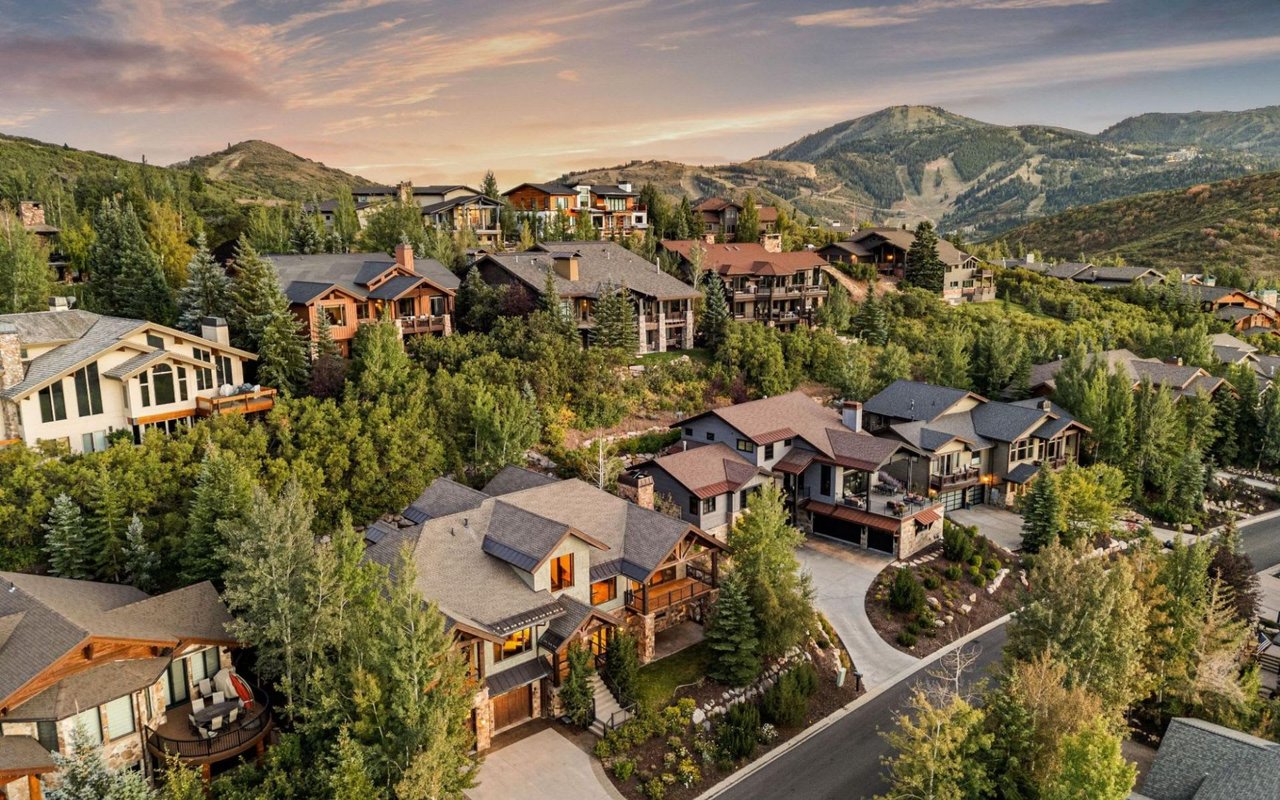
Park Meadows is generally the better fit if you are looking for a more detached-home environment. If you want a setting that feels more resident-heavy and less oriented around short-term rental flexibility, the neighborhood’s land-use framework supports that preference.
For buyers focused on privacy, residential continuity, and a quieter in-town experience, that can be a meaningful advantage. It supports a more settled day-to-day lifestyle.
Prospector housing pattern
Prospector is often the better fit if you are comfortable with condo and townhome product and prefer a more lock-and-leave profile. The neighborhood’s denser housing mix and mixed-use setting can work well for buyers who prioritize convenience and access over a more detached residential feel.
If you like the idea of being close to transit, parks, trail connections, and daily services, that housing profile may align with how you want to live. It can be a very efficient way to enjoy Park City full time or part time.
Which Neighborhood Fits Your Routine?
If your priority is a quieter residential setting, more single-family housing, and easy access to golf, Nordic skiing, and neighborhood-scale green space, Park Meadows is likely the stronger fit. It supports a routine that feels more tucked in while still keeping you in town.
If your priority is mixed-use convenience, stronger transit connectivity, nearby parks, and quick access to the Rail Trail environment, Prospector is likely the stronger fit. It supports a routine that feels more connected, flexible, and active.
There is no universal winner between the two. The better choice depends on whether your version of Park City living is centered on residential calm or on in-town convenience.
If you are comparing Park Meadows, Prospector, or another Park City micro-market, working with a team that understands how daily lifestyle, housing mix, and local land-use rules intersect can make the decision much clearer. To explore your options with tailored local guidance, connect with Stein Eriksen Realty Group.
FAQs
How does Park Meadows zoning affect daily life in Park City?
- Park City has stated that Park Meadows should be maintained as a local residential neighborhood and that nightly rentals should be prohibited there, which supports a quieter residential feel.
How does Prospector zoning affect daily convenience in Park City?
- Prospector Square sits in a district where the city allows mixed-use functions such as nightly rental, retail and service, and accessory apartments, which helps create a more flexible in-town rhythm.
Which Park City neighborhood has better transit access: Park Meadows or Prospector?
- Both neighborhoods have transit service, but current live transit pages show Prospector with more stop coverage, making it the more transit-saturated option.
Which neighborhood is better for trails: Park Meadows or Prospector?
- Both offer good access to Park City’s trail and pathway systems, but Park Meadows is closely tied to the McLeod Creek corridor and golf-course-based Nordic access, while Prospector is more closely tied to the Rail Trail and nearby trail connections.
Is Park Meadows or Prospector better for single-family homes in Park City?
- Park City’s housing analysis found that more than half of Park Meadows housing stock was single-family homes, while Prospector had a majority of multiple-residential buildings.
Is Prospector or Park Meadows better for a lock-and-leave lifestyle in Park City?
- Based on the neighborhood housing mix and mixed-use setting, Prospector is generally the better fit for buyers who prefer condo or townhome living and a more lock-and-leave routine.