Things You Might Not Know About Park City Utah: 2026 Guide
Fact | Detail | Why It's Surprising |
|---|---|---|
Ten O'Clock Whistle | Every Friday at 10pm a siren sounds in Old Town - tradition since 1902 | Started as a fire warning system after the 1898 town fire - still going 120+ years later |
The Skier's Subway | In 1963, skiers rode through old silver mining tunnels in subway cars to reach the slopes | The cold, wet hour-long journey was how early Park City ski resort operated before modern lifts |
George Hearst's Mine | The Ontario Mine - Park City's richest silver claim - was purchased by George Hearst, father of William Randolph Hearst | The Hearst family fortune was partly built on Park City silver |
Sundance Relocation | Sundance Film Festival hosted in Park City 1981-2026 - moves to Boulder, CO starting 2027 | 2026 was the final Sundance in Park City after 45 years - a significant cultural shift |
2034 Olympics | Park City confirmed as 2034 Winter Olympics host venue | Already hosted 2002 - one of very few places to host Winter Olympics twice within 32 years |
US Ski Team HQ | Park City is the official home of the United States Ski and Snowboard Team | Olympic athletes train year-round on the same runs accessible to recreational skiers |
Shot Ski World Record | Park City set a record with 1,385 participants simultaneously taking a shot from a single ski | A uniquely Park City tradition that reflects the town's blend of athletic culture and après-ski irreverence |
Ghost Town to Olympics | Park City was nearly abandoned by the 1950s before ski resort development reversed its fortunes | One of the most dramatic turnarounds in American mountain town history - from ghost town to Olympic venue in ~50 years |
Exploring Park City Real Estate?
Connect with the Stein Eriksen Realty Group advisory team to navigate the luxury market across Old Town, Deer Valley, and Summit County.
In the Wasatch Mountains at an elevation of approximately 7,000 feet, Park City, Utah (ZIP 84060 / 84098) sits about 30 miles southeast of Salt Lake City - a 45-minute drive with no mountain passes required. Widely known for its pristine slopes, the Sundance Film Festival's 45-year run (1981-2026), and its role in the 2002 Winter Olympics, Park City holds a deeper layer of lesser-known stories, quirks, and facts that shape the town's character. Here are several things you might not know.
A Silver Mining Legacy Lives On
Founded 1869 - George Hearst's Ontario Mine
Before it became a winter destination, Park City was one of the largest silver-producing regions in the United States - founded in 1869 as a mining district and originally called "Parley's Park" before being renamed around 1872. At its peak it boasted more than 1,000 mining claims. The most famous: the Ontario Mine, purchased by George Hearst (father of newspaper magnate William Randolph Hearst), which became one of the most productive silver mines in US history. A 1902 mine accident killed 34 miners. Several ski runs still pass by old mining structures, and the Park City Museum on Main Street features exhibits on the area's silver-mining roots.
The Ten O'Clock Whistle
A Friday Tradition Since 1902
Every Friday at 10:00pm, a siren sounds across Old Town Park City - a tradition dating back to 1902. It was originally installed as a fire warning system in the aftermath of the devastating 1898 town fire that destroyed much of historic Park City. More than 120 years later, the whistle still sounds every Friday night. For long-time Park City residents, it functions as an unofficial marker of the weekend - one of those local rituals that visitors almost never know about until they hear it for the first time.
The Skier's Subway
Mining Tunnels as Ski Lifts - 1963
In 1963, before modern high-speed lifts, skiers accessing the early Park City ski resort were transported through the old silver mining tunnels via subway cars to reach the slopes - a cold, wet journey lasting about an hour. The existing tunnel infrastructure from the mining era was repurposed for ski access, making Park City arguably the only resort in history where getting to the mountain meant riding through a 19th-century mine. The tunnels still run beneath the town today, though they are no longer used for skier transport.
From Near-Extinction to Olympic Fame
Ghost Town in the 1950s - Olympic Venue in 2002 & 2034
Park City faced severe decline after the silver mining industry dwindled, and by the 1950s it was nearly a ghost town. The turnaround began in the 1960s when the Park City Ski Resort opened. The town was catapulted to international fame in 2002 when it hosted alpine skiing, bobsledding, and luge events at the Utah Olympic Park - facilities that remain an active year-round training center. Park City is confirmed as a host venue for the 2034 Winter Olympics, making it one of very few locations to host the Winter Games twice within 32 years.
Sundance Film Festival: 45 Years (1981-2026)
⚠ Moving to Boulder, Colorado Starting 2027
Park City was home to the Sundance Film Festival - the largest independent film festival in the United States - from 1981 through 2026. The festival, founded by Robert Redford, brought approximately 89,000 attendees annually to Main Street each January and generated an estimated $80 million in annual economic impact. In March 2025, Sundance announced its relocation to Boulder, Colorado for the 2027 festival and beyond. 2026 was the final Sundance held in Park City. The Sundance Institute's Utah office and labs will remain. For real estate purposes, the economic impact of the festival on Park City's January occupancy and retail will be worth monitoring in 2027 and beyond.
Park City is Home to the US Ski Team
Olympic Athletes Train on Public Runs
Park City is the official home base of the United States Ski and Snowboard Team. Olympic-caliber athletes train year-round at the Utah Olympic Park and on the same runs accessible to recreational skiers and residents - a proximity between elite sport and everyday recreation that is nearly unique in American skiing. During non-peak hours, it's not uncommon to share a chairlift with national team athletes preparing for international competition.
High-Altitude Microclimate
7,000 ft Elevation - ~360 Inches of Annual Snowfall
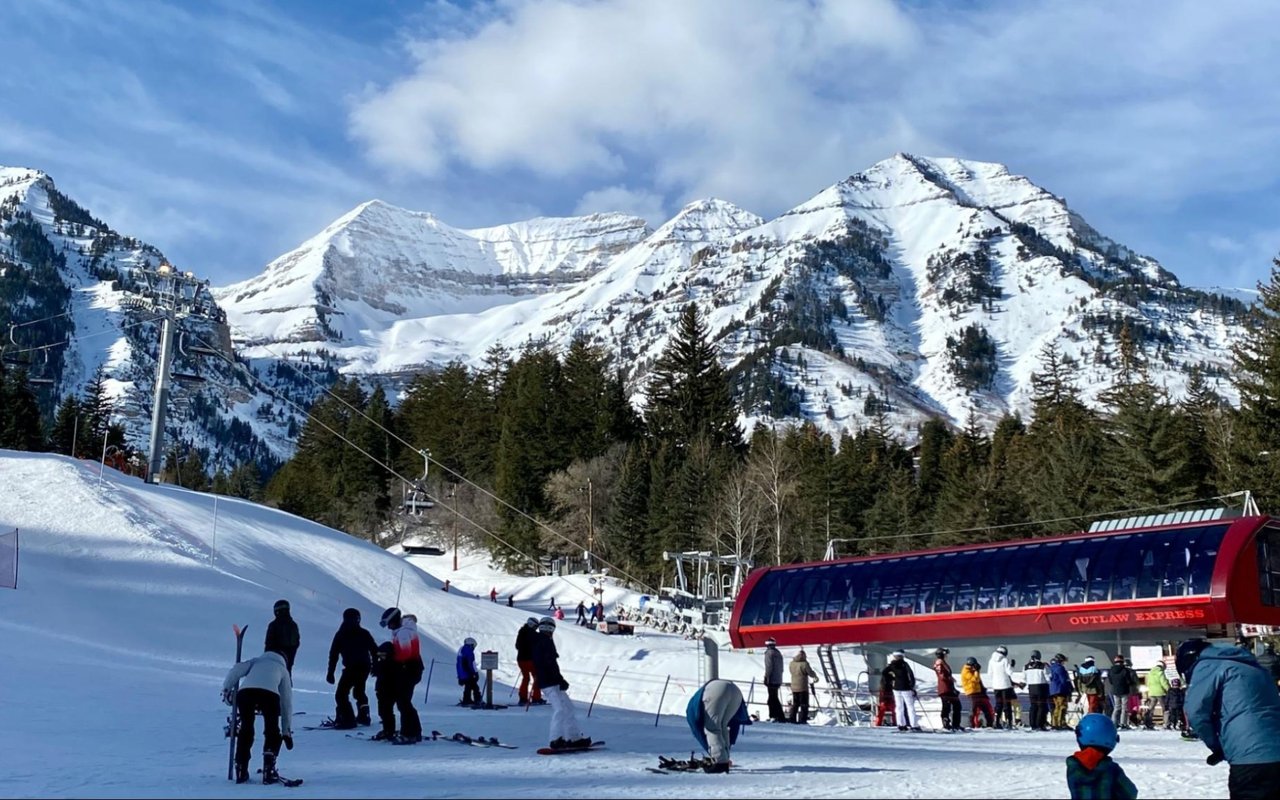
Park City's elevation of approximately 7,000 feet creates a distinct microclimate - around 360 inches of average annual snowfall (Utah's "Greatest Snow on Earth" designation), dry and sunny summers with temperatures typically in the 70s-80sF, and significantly cooler conditions than Salt Lake City year-round. The high altitude also has a physiological impact: first-time visitors are advised to acclimate gradually and stay well-hydrated. Many residents from lower elevations find the first 24-48 hours noticeably different, particularly with physical exertion.
Festivals, Records & Community Traditions
Kimball Arts Festival, Miners Day, Shot Ski Record
Park City's festival calendar reflects its layered identity: the Kimball Arts Festival draws ~50,000 visitors annually for fine art, live music, and local food. Miners Day every Labor Day honors the town's silver mining heritage with a parade, mucking and drilling competition, and marching band. The Park Silly Sunday Market runs through summer as a local artisan and food vendor street fair. And in one of Park City's more irreverent traditions, the town set a world record with 1,385 participants simultaneously taking a shot from a single ski lined with shot glasses.
Make Park City Your Home Base
If the charm of Park City has captured your interest, the Stein Eriksen Realty Group can help you find the right property - from Old Town historic residences to Deer Valley ski-in/ski-out estates and Snyderville Basin family communities.
Park City Utah: FAQ
What is Park City Utah known for?
Park City, Utah is known for world-class skiing at three resorts (Park City Mountain Resort, Deer Valley, Canyons Village), the Sundance Film Festival (held in Park City 1981-2026 before relocating to Boulder, CO in 2027), hosting the 2002 Winter Olympics (and confirmed 2034 host venue), the Utah Olympic Park, Main Street historic district (100+ buildings on the National Register of Historic Places), silver mining history dating to 1869, and the US Ski and Snowboard Team headquarters. At 7,000 feet elevation with ~360 inches of annual snowfall, it is one of the premier mountain towns in North America.
What is the ZIP code for Park City Utah?
Park City has two primary ZIP codes: 84060 covers Old Town, Deer Valley, and the historic core of Park City. 84098 covers the Snyderville Basin area including Kimball Junction, Jeremy Ranch, and the areas north and west of Old Town. When searching for Park City real estate, both ZIP codes are relevant depending on which part of the city you are targeting.
What is the elevation of Park City Utah?
Park City sits at approximately 7,000 feet above sea level - one of the highest-elevation incorporated cities in the United States. Deer Valley's base area (Snow Park Lodge) is at 6,570 feet, with the Empire Pass summit reaching 9,570 feet. The high elevation contributes to Park City's average annual snowfall of approximately 360 inches and its distinctly cool summer climate. First-time visitors from lower elevations are advised to acclimate for 24-48 hours before intense physical activity.
Will the Sundance Film Festival still be in Park City?
No - 2026 was the final Sundance Film Festival held in Park City. In March 2025, Sundance announced it will relocate to Boulder, Colorado starting with the 2027 festival. The festival was held in Park City from 1981 through 2026 - a 45-year run. The Sundance Institute's Utah office and labs will remain in the state. The economic impact of the January festival (approximately $80 million annually, ~89,000 attendees) will shift to Boulder beginning in 2027.
Is Park City Utah hosting the 2034 Olympics?
Yes - Park City is confirmed as a host venue for the 2034 Winter Olympics (Salt Lake City is the overall host city). Park City previously hosted alpine skiing, bobsledding, skeleton, and luge events during the 2002 Salt Lake City Winter Olympics. The Utah Olympic Park - which hosted the 2002 bobsled, skeleton, and luge events - remains an active training facility and visitor attraction and will again serve as an Olympic venue in 2034. This makes Park City one of very few locations in history to host Winter Olympic events twice within 32 years - a significant long-term infrastructure and visibility investment for the region and its real estate market.