If you love the idea of living somewhere with real history but do not want to give up convenience, Old Town Park City stands out right away. This is one of those rare neighborhoods where preserved Victorian character, easy walkability, year-round recreation, and daily comforts all meet in one compact setting. If you are considering a home here, understanding how Old Town actually lives day to day can help you see why it remains one of Park City’s most distinctive addresses. Let’s take a closer look.
Why Old Town Feels Different
Old Town is not simply an older part of Park City. It is a preserved mining-era core that still functions as a lived-in neighborhood, with more than 400 historic sites and two National Register Historic Districts recognized by the city. The Main Street Historic District was listed in 1979, and the Mining Boom Era Residences district followed in 1984.
That historic identity traces back to Park City’s silver mining roots. Mining began in the 1860s, and after the Great Fire of 1898, the town rebuilt quickly. That rebuilding period, along with the earlier mining years, still shapes what you see today in the streetscape and housing stock.
Historic Character With Modern Layers
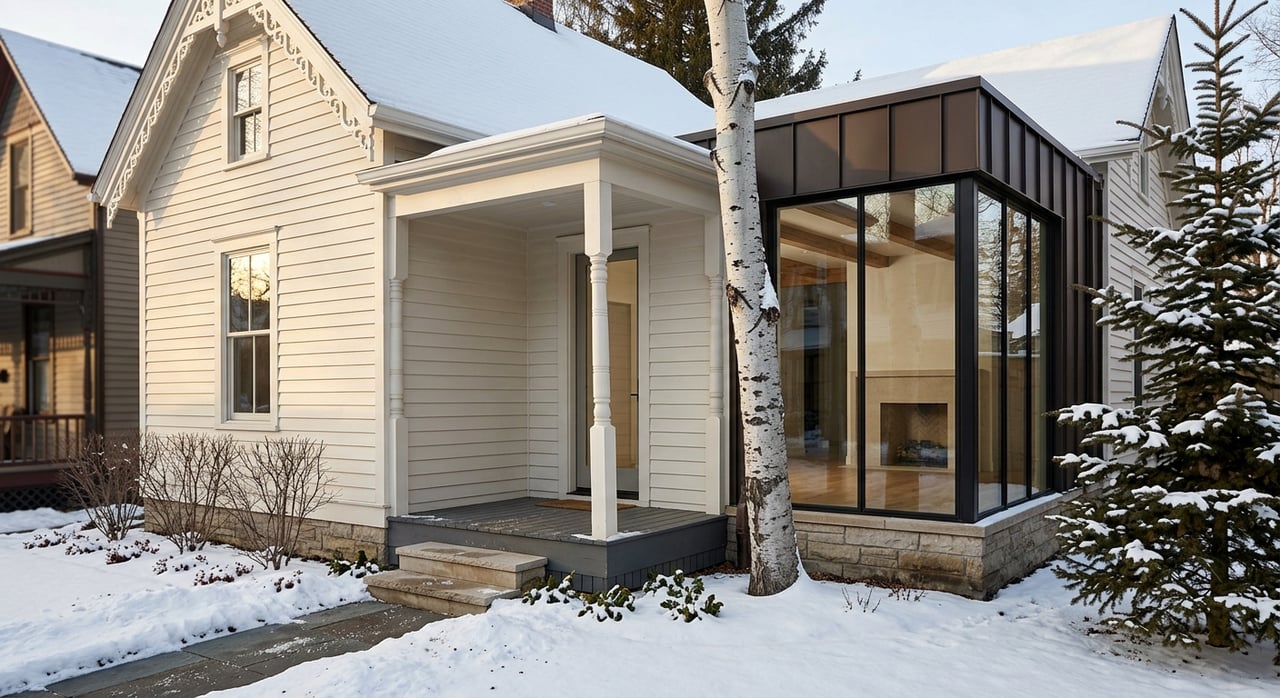
One reason Old Town feels so appealing is that it does not feel frozen in time. National Register documentation describes the district as primarily Victorian- to 1920s-era, with details that include Victorian Commercial, Victorian Eclectic, and Queen Anne styles. At the same time, later modern infill helps explain why historic homes and newer construction can sit close together near Main Street.
For you as a buyer or seller, that mix matters. Old Town offers architectural texture and heritage, but it also reflects Park City’s evolution into a modern mountain town. You get a neighborhood that feels layered, active, and current rather than staged or overly precious.
Preservation Still Shapes Ownership
Old Town’s historic feel is not accidental. The city continues to protect the area through preservation tools and design guidelines, including an update in 2019. In practical terms, that means the neighborhood’s character is actively managed, not simply remembered.
If you are buying, this can be an important part of your decision-making. If you are selling, it also affects how a property is positioned and understood within the market. In Old Town, the setting itself is part of the value story.
Walkability Is Part of the Lifestyle
Old Town is one of Park City’s clearest examples of a pedestrian-oriented neighborhood. The city’s general plan states that Park City is bicycle- and pedestrian-oriented and notes that access to Main Street commercial businesses should primarily be via transit, bicycle, and on foot. That is a strong official signal that the area was planned to support a car-light lifestyle.
For many homeowners, that rhythm is a major part of the appeal. You can picture morning coffee, errands, dinner plans, or an evening stroll happening without needing to drive across town. In a mountain community, that kind of convenience can feel especially valuable.
Getting Around Without Relying on a Car
Park City Transit has offered fare-free public transportation since 1975 and now operates nine routes along with on-demand service that includes Main Street. This helps connect Old Town residents to the broader community while reducing the need to use a car for every outing.
City planning documents also emphasize pedestrian-oriented development and transit shuttles for the Old Town area during peak periods. Paired with the compact layout of Main Street, that creates a lifestyle where movement through town can feel simple and efficient.
Main Street Brings Daily Energy
Old Town’s appeal goes beyond architecture and location. Historic Main Street remains a destination for dining, shopping, arts, and culture, which gives the neighborhood a steady sense of activity and place. This is one of the reasons Old Town feels both residential and social at the same time.
If you enjoy living somewhere with visible street life, that is a meaningful advantage. The neighborhood offers daily energy without losing its strong connection to local history. It is not just a backdrop for visitors. It is part of the lived experience of being in Park City.
Arts and Events Through the Year
Historic Park City Alliance highlights ongoing programming such as free outdoor live music and gallery strolls. Seasonal events also help shape the neighborhood calendar and bring consistent activity to Main Street.
One of the best-known examples is Park Silly Sunday Market, a free open-air market and street festival held on Historic Main Street during the summer. It brings together local artists, musicians, vendors, food, and community activity. The Park City Kimball Arts Festival also uses Main Street and Miner’s Park, reinforcing Old Town’s role as a cultural corridor.
Four-Season Access Adds Another Layer
Old Town’s location gives it a lifestyle advantage that is hard to duplicate. Park City Mountain operates year-round, with winter skiing and snowboarding typically running from November through April, and summer activities that include hiking, mountain biking, scenic lift rides, alpine slide, zipline, mini golf, disc golf, and more.
That means Old Town is not just about winter appeal. The neighborhood stays connected to recreation in every season, which supports both full-time living and second-home ownership. You are not choosing between historic charm and an active mountain lifestyle. In Old Town, the two work together.
Town Lift Connects Street Life and Ski Life
For Old Town specifically, Town Lift is the defining bridge between Main Street and the mountain. Park City Mountain notes that the historic Town Lift takes skiers from Main Street to the bottom of Bonanza Express, and summer scenic rides are also available.
This connection is a big part of what makes the neighborhood so distinctive. You can move from restaurants, shops, and historic streets directly into a resort setting without losing the sense of place that defines Old Town.
A Neighborhood With Real Storytelling Power
Old Town is especially compelling because its history is visible and ongoing. Park City Museum helps preserve and interpret that story through exhibits, walking tours, and preservation work focused on mining history and the town’s evolution. That adds depth to the neighborhood beyond recreation and dining.
The museum’s timeline also helps explain the bigger arc. Prospectors discovered silver in 1868, and after silver prices declined, Park City reinvented itself as a ski resort town. Old Town captures that transition in a way few neighborhoods can, with Victorian-era texture sitting alongside modern mountain living.
What Old Town Can Mean for Buyers
If you are considering a home in Old Town, it helps to think beyond style alone. The neighborhood offers a blend of preserved character, walkability, cultural programming, and direct access to four-season recreation. That combination gives Old Town a very specific identity within the broader Park City market.
For some buyers, the draw is the ability to step into a historic setting that still feels active and useful. For others, it is the proximity to Main Street, Town Lift, and daily amenities. Either way, Old Town stands out because the lifestyle is tangible, not theoretical.
What Old Town Can Mean for Sellers
If you own in Old Town, your property is part of a neighborhood with a clear and recognizable story. Buyers are often responding not only to a home itself, but also to the preserved district, walkable streets, mountain access, and cultural energy that surround it.
That means presentation and positioning matter. In a market like Park City, understanding how to communicate neighborhood nuance can make a meaningful difference, especially in a location where history and lifestyle are so closely tied together.
Old Town remains one of Park City’s most distinctive places to own because it balances heritage with everyday ease. If you are exploring a purchase, preparing to sell, or simply want a clearer view of how this micro-market fits into your goals, the right local guidance can help you evaluate the details with confidence. Connect with Stein Eriksen Realty Group for tailored insight on Park City’s luxury neighborhoods.
FAQs
How historic is Old Town in Park City?
- Old Town includes more than 400 historic sites and two National Register Historic Districts, with preservation guidelines that continue to shape the neighborhood today.
Can you live in Old Town Park City without driving everywhere?
- Park City planning documents support access to Main Street by walking, biking, and transit, and Park City Transit offers fare-free service that includes Old Town and Main Street.
What kinds of homes and buildings are found in Old Town?
- The district includes primarily Victorian- to 1920s-era buildings with styles such as Victorian Eclectic and Queen Anne, along with later modern infill.
What is Old Town Park City like in summer?
- Summer in Old Town often includes walkable access to Main Street events, free outdoor live music, gallery strolls, Park Silly Sunday Market, and nearby mountain activities.
How close is Old Town to skiing in Park City?
- Old Town is closely tied to Park City Mountain through Town Lift, which connects Main Street to the mountain during ski season, with scenic rides offered in summer as well.